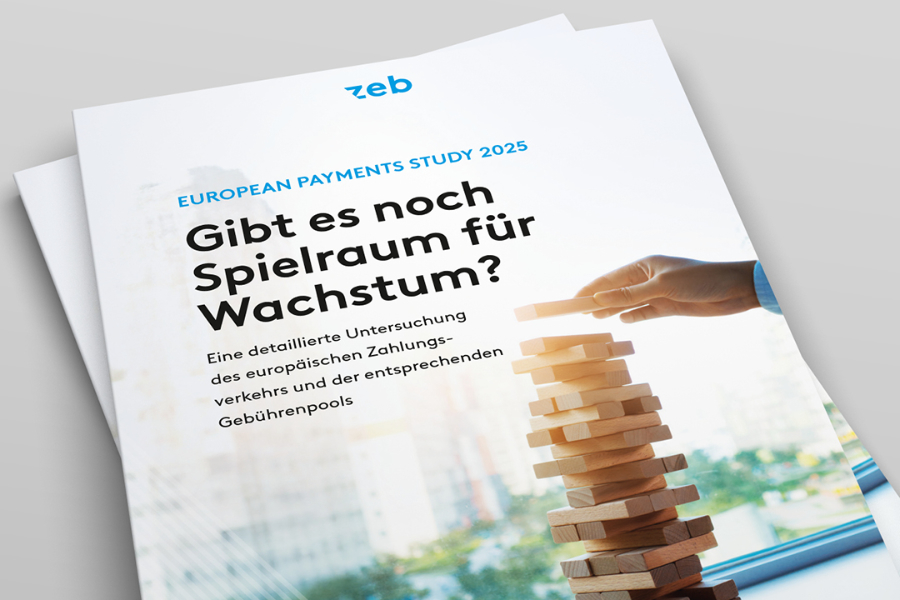
Europe is experiencing a significant shift in how businesses and consumers pay for items and services, with emerging technologies, new regulations, and a shift toward digital payments reshaping the market, according to a new report by zeb consulting.
The Payment Study 2025 suggests that cash is declining in importance, with digital payment methods gaining traction.
By 2027, the European market for retail payments is expected to reach €105 billion, particularly benefiting merchants and payment service providers. Banks on the consumer side, however, face the challenge of realigning their business models in order to retain their competitiveness.
Seizing the opportunity
“This change is an opportunity,” commented Nikola Jelicic, partner at zeb. “Those who invest early in digital solutions will benefit in the long term. In addition to credit cards, account-to-account payments and digital wallets are gaining in relevance.”
In addition, the Payment Services Directive 3 (PSD3) and Payment Services Regulation (PSR) are setting the stage for more secure and transparent transactions, while the introduction of instant payments is also enhancing the efficiency of digital infrastructures. Elsewhere, the Digital Euro is being explored as a tool to further boost trust in digital payment processes.
Looking ahead, the study suggests that payment transactions will increasingly be automated, secure, and customer-centric, with a growing reliance on artificial intelligence, automation, and real-time payments.
Banks need to evolve
Banks, in turn, will need to evolve in order to remain relevant, the study suggests.
“While many believe that banks are losing importance due to increasing digitalisation, there are great opportunities to differentiate themselves from the competition through excellent customer service and innovative solutions,” says Jelicic. “Those who invest in strong customer loyalty will also play a central role in a digitalised payment and banking world.” Read more here.