Trade between the European Union and the four founding Mercosur countries – Argentina, Brazil, Paraguay and Uruguay – has increased ‘substantially’ over the past decade, Eurostat data has shown.
With continued negotiations on the EU-Mercosur agreement ongoing, new data has revealed that in 2024 alone, the EU imported €56.0 billion and exported €55.2 billion in goods from and to the Mercosur countries, with imports rising 4.2% year-on-year, and exports seeing a slight dip (-1.3%).
Over the past decade, meanwhile, EU imports from Mercosur countries have increased by €18.8 billion (+50.3%) and exports by €11.1 billion (+25.1%).
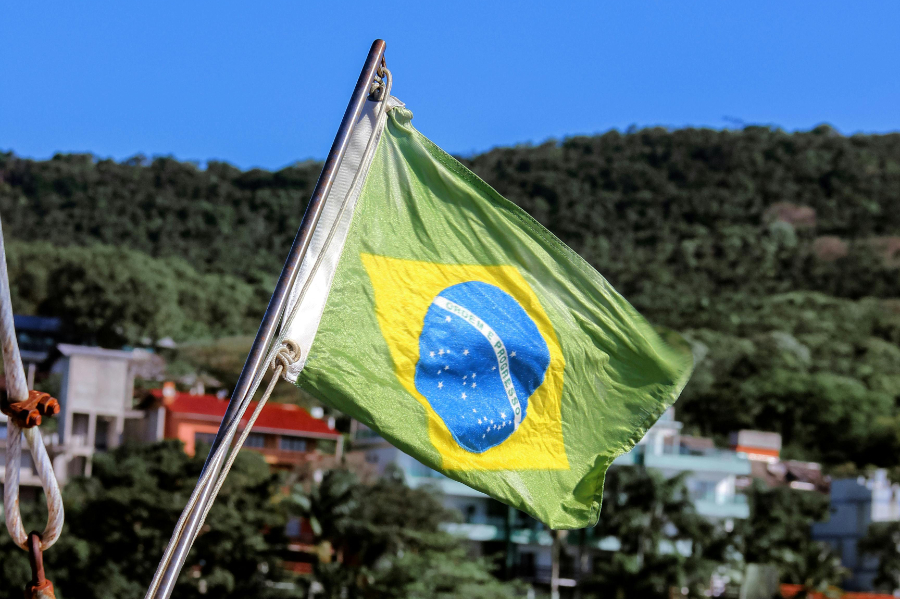
Brazil was the largest trading partner with the EU in 2024, with total EU trade (including imports and exports) of €89.5 billion, followed by Argentina with €16.4 billion.
Imports and exports
The majority of imports (81.3%) from Mercosur countries were primary goods, such as raw materials and agricultural goods, while exports largely encompassed manufactured goods (86.6%).
The top imported products by the EU from the Mercosur countries were petroleum and related products (€12.1 billion, seeing a rise of €10.6 billion since 2014); animal feed (€7.1 billion); coffee, tea, cocoa, and spices (€5.2 billion); ores and scrap (€4.9 billion); and oil-seeds and oleaginous fruits (€3.7 billion).
On the export side, the EU’s leading export products included medicinal and pharmaceutical goods (€6.8 billion, a 85.9% increase on 2014); industrial machinery (€5.4 billion); vehicles (€4.8 billion); specialised machinery (€3.4 billion) and electrical equipment (€3.0 billion).
EU-Mercosur deal
The European Union and four Mercosur countries – Argentina, Brazil, Paraguay and Uruguay – reached a political agreement on 6 December 2024 for a partnership agreement to increase bilateral trade and investment, lower barriers to trade, create more ‘stable and predictable’ rules for trade and investment, and promote joint values for sustainable development.
‘The agreement represents a win-win for both the EU and Mercosur, creating opportunities for growth, jobs and sustainable development on both sides,’ the EU said. Read more here.