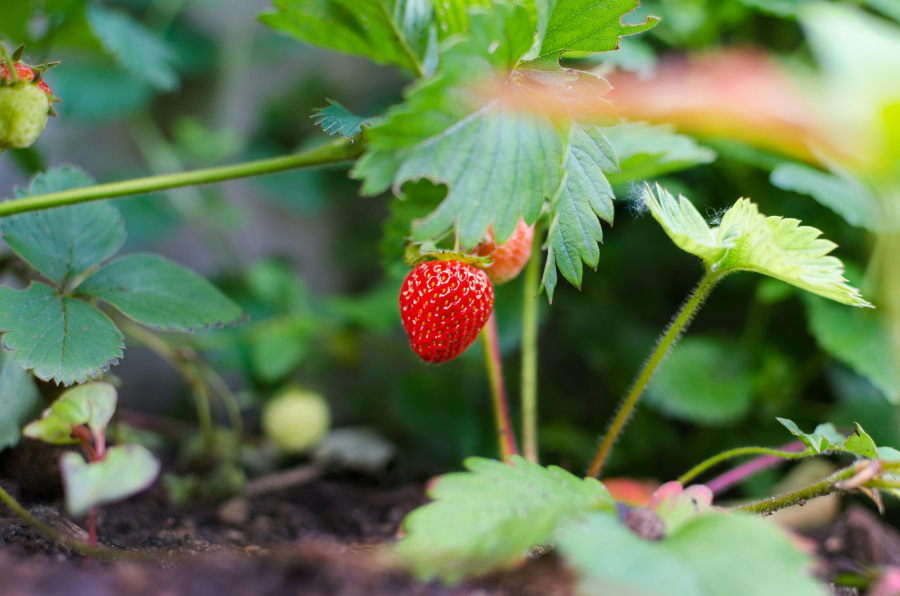
The number of producers engaged in horticulture production fell by 5% in Slovenia last year, while the total area dedicated to horticulture is 20% smaller than it was three years ago, according to new data from the Statistical Office of the Republic of Slovenia.
According to the data, horticulture growers cultivated 1.2 hectares of land in 2025, down from 1.5 hectares three years earlier.
Census of Horticulture
The statistics body’s ‘Census of Horticulture’ collects data on the commercial production of strawberries, vegetables, flowers and ornamental plants, seedlings of vegetables, strawberries and crops, seeds of fodder plants and vegetables, and herbs, aromatic plants and medicinal plants.
As it found, vegetable production continues to dominate the sector, accounting for around 80% of total horticultural land. However, the area used for vegetables dropped sharply by 22% to 1,978 hectares, while the number of growers fell by nearly 7%. The overall production area, including multiple crop cycles on the same land, also declined by about a fifth.
The contraction was seen across most categories. Strawberry production area decreased by 11%, while land used for seeds of fodder plants and vegetables fell by 23%. Herbs, spices and medicinal plants also saw an 18% reduction in area. The steepest decline was recorded in the production of seedlings, which more than halved compared to 2022.
Despite the overall downturn, some segments showed growth. The area dedicated to flowers and ornamental plants increased by 40% to 110 hectares, with the number of producers rising by over 14%.
Regional production
On a regional basis, vegetable production declined in most areas, with the sharpest drop in the Pomurska region, where output fell by nearly 60%. However, three regions bucked the trend, recording increases in vegetable cultivation: Zasavska, Obalno-kraška and Osrednjeslovenska.
Across vegetable categories, most saw reductions in cultivated area. Root crops experienced the largest fall, dropping by almost 50%, while salad crops and cole crops also declined. Only pulses and spinach recorded modest growth, increasing by 16% and 12% respectively.
Less than 10% of horticultural production took place indoors, highlighting the sector’s continued reliance on outdoor cultivation. Read more here.