Sweden ranked first in the European Union last year in terms of energy generated from renewable sources, with renewables accounting for 66.4% of the country’s energy, new data from Eurostat has revealed.
The only other European country in which more than half of its energy was produced by renewables was Finland, with 50.8%, however a number of other countries also scored highly, including Denmark (44.9%), Latvia (43.2%), Estonia (40.95%) and Austria (40.8%).
At the other end of the scale, Luxembourg generated just 11.6% of its energy from renewable sources last year, followed by Belgium with 14.7%, Malta with 15.1% and Ireland with 15.25%.
Overall energy consumption
Overall, in the European Union, 24.5% of gross final energy consumption came from renewable sources, a 1.4 percentage point increase on the previous year.
This means that the bloc is 18 percentage points short of meeting its 2030 target, of 42.5%, which would require a 2.6-percentage-point increase each year from 2024 to the end of the decade.
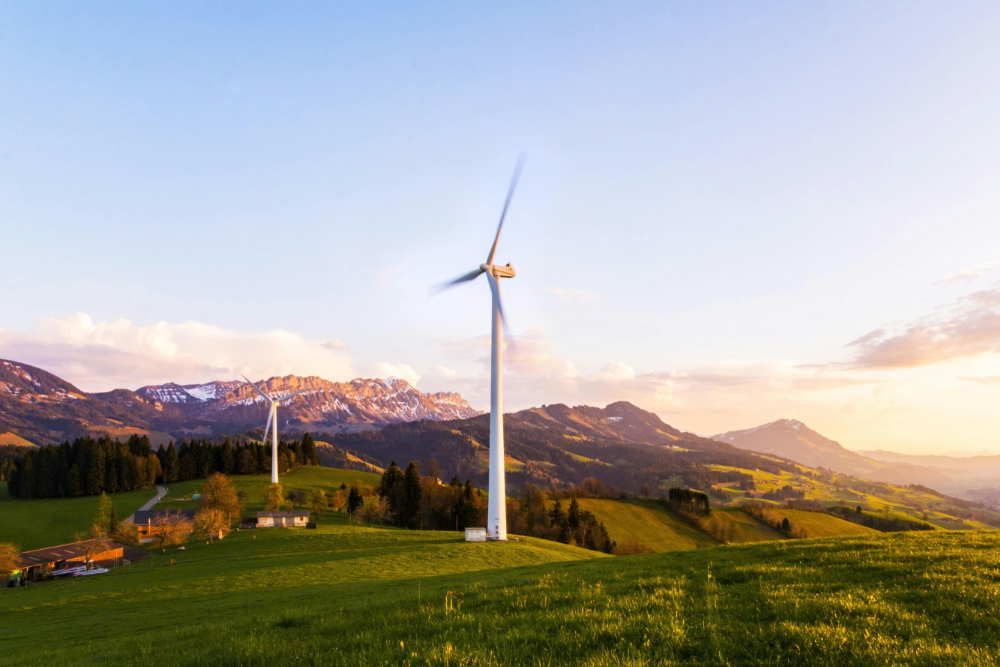
In terms of the types of renewable energy generated by the leaders in this field, Sweden relies predominantly on solid biofuels, hydro and wind, Finland also relies on on solid biofuels, wind and hydro, and Denmark sources most of its renewable energy from solid biofuels and wind. Read more here.
Renewable energy generation by EU member state, 2023 (%)
| Country | Renewable Energy (%) |
|---|---|
| Sweden | 66.393 |
| Finland | 50.750 |
| Denmark | 44.923 |
| Latvia | 43.223 |
| Estonia | 40.950 |
| Austria | 40.844 |
| Portugal | 35.163 |
| Lithuania | 31.926 |
| Croatia | 28.051 |
| Romania | 25.757 |
| Greece | 25.269 |
| Slovenia | 25.066 |
| Spain | 24.852 |
| Bulgaria | 22.583 |
| France | 22.283 |
| Germany | 21.547 |
| Cyprus | 20.213 |
| Italy | 19.561 |
| Czechia | 18.586 |
| Hungary | 17.361 |
| Netherlands | 17.154 |
| Slovakia | 16.990 |
| Poland | 16.496 |
| Ireland | 15.253 |
| Malta | 15.077 |
| Belgium | 14.741 |
| Luxembourg | 11.619 |