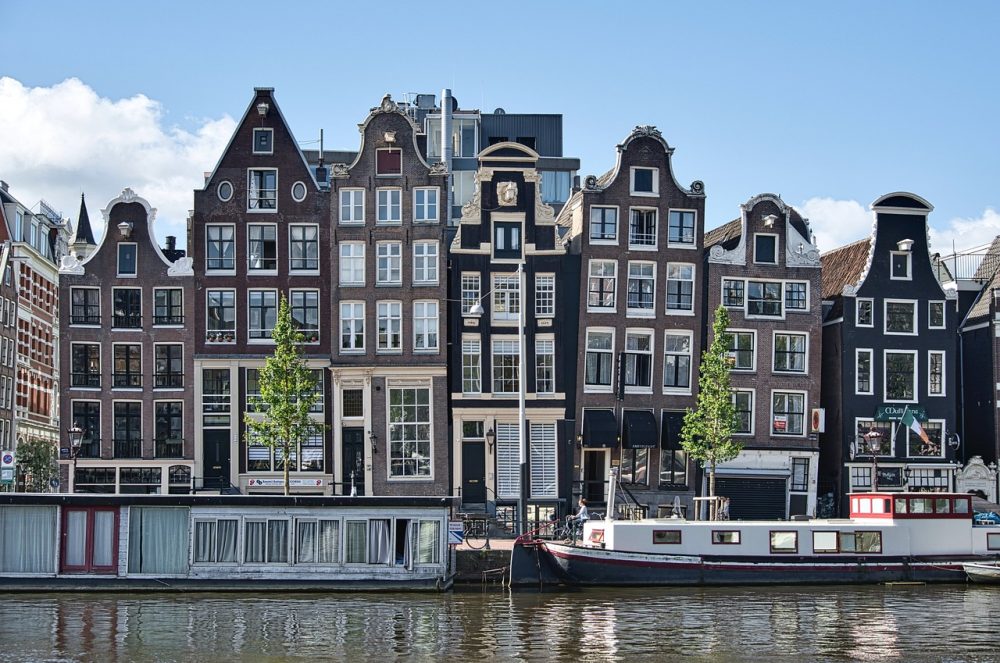
The Netherlands had the highest usage of ‘circular’ materials in the EU in 2022, data from Eurostat has shown, with a circularity rate of 27.5%.
The EU’s circular material usage rate – in other words, the share of used material resources which came from recycled waste materials – stood at 11.5% last year, which indicates that close to an eighth of material resources used in the bloc came from recycled waste materials.
Other countries to report a high circularity rate include Belgium (22.2%) and France (19.3%), along with Italy (18.7%), Estonia (16%) and Malta (15.1%), Eurostat data showed.
The lowest rate, meanwhile, was recorded in Finland (0.6%), Romania (1.4%) and Ireland (1.8%).
Importance of circular economy
The aim of a circular economy is to preserve the value of products, materials, and resources for an extended duration by reintroducing them into the product cycle once they have completed their lifecycle. This approach seeks to minimise the generation of waste.
According to the data, in 2022, the circularity rate by material type in the European Union was as follows: metal ores at 23.9% (up by 0.6 pp from 2021), non-metallic minerals at 13.7% (down by 0.1 pp), biomass at 10.0% (up by 0.6 pp), and fossil energy materials/carriers at 3.2% (unchanged).
Top Countries By Use of ‘Circular Economy’ Materials, 2022
| Country | Circularity Rate (%) |
|---|---|
| Netherlands | 27.5 |
| Belgium | 22.2 |
| France | 19.3 |
| Italy | 18.7 |
| Estonia | 16 |
| Malta | 15.1 |
| Austria | 13.8 |
| Germany | 13 |
| Czechia | 11.9 |
| European Union – 27 countries | 11.5 |
| Slovenia | 9.4 |
| Slovakia | 9.1 |
| Poland | 8.4 |
| Hungary | 7.9 |
| Denmark | 7.4 |
| Spain | 7.1 |
| Sweden | 6.1 |
| Croatia | 5.8 |
| Latvia | 5.4 |
| Luxembourg | 5.2 |
| Bulgaria | 4.8 |
| Lithuania | 4.1 |
| Cyprus | 3.2 |
| Greece | 3.1 |
| Portugal | 2.6 |
| Ireland | 1.8 |
| Romania | 1.4 |
| Finland | 0.6 |